303
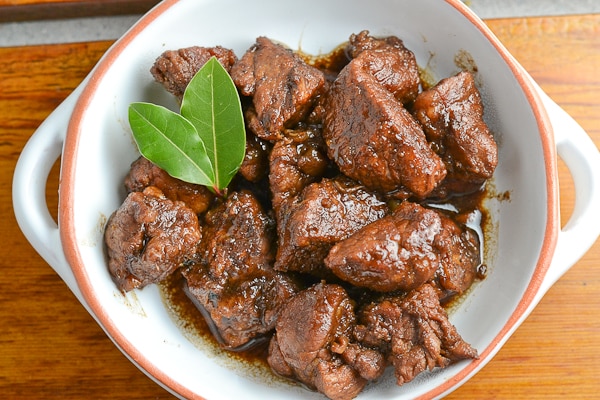
You’re about to elevate the classic Filipino dish, pork adobo, by experimenting with traditional ingredients and techniques. Start with a lean cut of pork shoulder, then brown it to perfection before simmering it in a sauce made with cane vinegar, soy sauce, garlic, and spices. Be mindful of regional variations, like using coconut vinegar or adding more garlic, to create an authentic taste. Consider substitutions, such as apple cider vinegar or brown sugar, to give your dish a unique twist. Now, take your adobo to the next level by mastering the art of browning and incorporating flavor enhancements like fish sauce or cumin - and that’s just the beginning.

Ingredients
Ingredients for Filipino Pork Adobo To make a delicious Filipino Pork Adobo, you’ll need the following ingredients:- Pork shoulder
- Vegetable oil
- Cane vinegar or white vinegar
- Low sodium soy sauce
- Garlic
- Bay leaf
- Black peppercorns
- Sugar
- Water
Instructions
Cooking Filipino Pork Adobo Now that you have all the necessary ingredients, it’s time to start cooking your Filipino Pork Adobo. Begin by heating 2 tablespoons of vegetable oil in a large pot over medium-high heat. This will help you get a nice sear on the pork, which is important for locking in flavors. Step 1: Brown the Pork- Add the pork shoulder to the pot and sear it until browned on all sides. This should take about 5 minutes.
- Remove the browned pork from the pot and set it aside.
- Add the minced garlic to the pot and sauté until fragrant. This should take about 1 minute.
- Add the cane vinegar, low sodium soy sauce, bay leaf, black peppercorns, sugar, and water to the pot.
- Bring the mixture to a boil, then reduce the heat to low and simmer for 1 hour and 30 minutes.
- Return the browned pork to the pot and simmer it in the sauce for the remaining cooking time.
- This will allow the pork to absorb all the flavors and become tender.
- During the last 30 minutes of cooking, you can add some extra flavor enhancements to give your Pork Adobo an extra kick.
- Examples include patis (fish sauce) or chili flakes.
Tips and Variations
Take Your Filipino Pork Adobo to the Next Level To make a truly exceptional Filipino Pork Adobo, follow these expert tips and variations. Master the Art of Browning To get the best flavor out of your dish, master the art of browning the pork evenly. Here’s how: - Pat the pork dry with paper towels before searing it in hot oil. - Don’t overcrowd the pot, as this can prevent the meat from browning properly. Add Flavor Enhancements Try these flavor enhancers to take your dish to the next level: - Add a tablespoon of fish sauce to the sauce. - Sprinkle some ground cumin into the sauce. - Experiment with different types of vinegar, such as apple cider or balsamic, to give the dish a unique twist. Add Some Heat If you like spicy food, try adding some heat to your dish: - Incorporate diced jalapeños or serrano peppers into the sauce.Nutrition Information
Nutrition Information for Filipino Pork Adobo When making decisions about what to eat, it’s important to know what’s in your Filipino Pork Adobo. This dish has some good and not-so-good things that can affect your health. What’s in a Serving of Pork Adobo?- A single serving of Pork Adobo has about 420 calories.
- It has a lot of protein (35g) and fat (24g), and a moderate amount of carbohydrates (20g).
- Sodium: Pork Adobo has a lot of sodium - about 650mg. This is something to be careful about if you’re watching your salt intake.
- Fiber: This dish doesn’t have a lot of fiber (2g), so it mightn’t be the best choice if you need a lot of fiber in your diet.